

A hi-vis vest that has lived on the dashboard of a ute all summer can still look yellow in the morning light. Hit it with headlights at 5am, though, and the tape barely flashes back. Hi-vis has a working life, and once it’s over the garment can’t do the one job it was made for.
Before shopping for hi vis workwear perth, it pays to know the signs that your current gear is finished.
How Hi-Vis Works, and How It Fails
Most hi-vis relies on two materials. Fluorescent fabric, usually yellow or orange, stands out in daylight because it converts UV light into bright visible colour. Retroreflective tape bounces light from headlights or torches straight back to its source, which is what makes you visible at night.
The two wear out separately. A shirt can keep its fluoro colour while the tape cracks, or the tape can be fine while the fabric fades. That’s why each needs checking on its own.
Five Signs It’s Time to Replace Your Hi-Vis
The colour has faded. Shoulders and sleeves usually go first because they get the most sun. Hold the garment next to a new one of the same style. If it looks noticeably dull or patchy, it’s no longer doing its job, even without a single hole.
The tape is damaged. Look for peeling edges, cracks, missing sections or a scratched, cloudy surface. A quick test: take a flash photo of the garment in a dim room. Good tape lights up brightly and evenly in the picture, while worn tape looks grey or patchy.
It’s torn or the seams have gone. A rip across a fluoro panel cuts the visible area, and a blown seam can change how the garment hangs or leave gaps in coverage. Loose, flapping fabric is also a snag risk around machinery.
The stains won’t wash out. Grease over reflective tape blocks it completely. If a proper wash doesn’t restore the colour and tape, replace the garment. Clothing contaminated with hazardous chemicals should follow your site’s procedure rather than going home in the wash.
It no longer suits the job. Under AS/NZS 4602.1, Class D garments are for daytime, Class N for night and Class D/N for both. Moving from day shifts in a warehouse to night roadworks can make a perfectly good shirt the wrong one. When you choose replacement high visibility work clothes, confirm the class your site requires, and check the fit too. A garment that’s too small, or one covered by a non-hi-vis jacket, won’t show enough colour.
Why Perth Conditions Wear Hi-Vis Out Faster
Perth’s UV is strong for much of the year, and fluorescent dyes break down under constant sun. Most hi vis workwear Perth crews wear outdoors also cops red dust, sweat and daily washing. A road worker in hi-vis five days a week will go through gear far faster than someone who wears a vest occasionally in a warehouse.
That’s why age alone is a poor guide. Make a quick check part of your weekly routine and replace on condition, not on the calendar.
Make It Last: Washing and Repairs
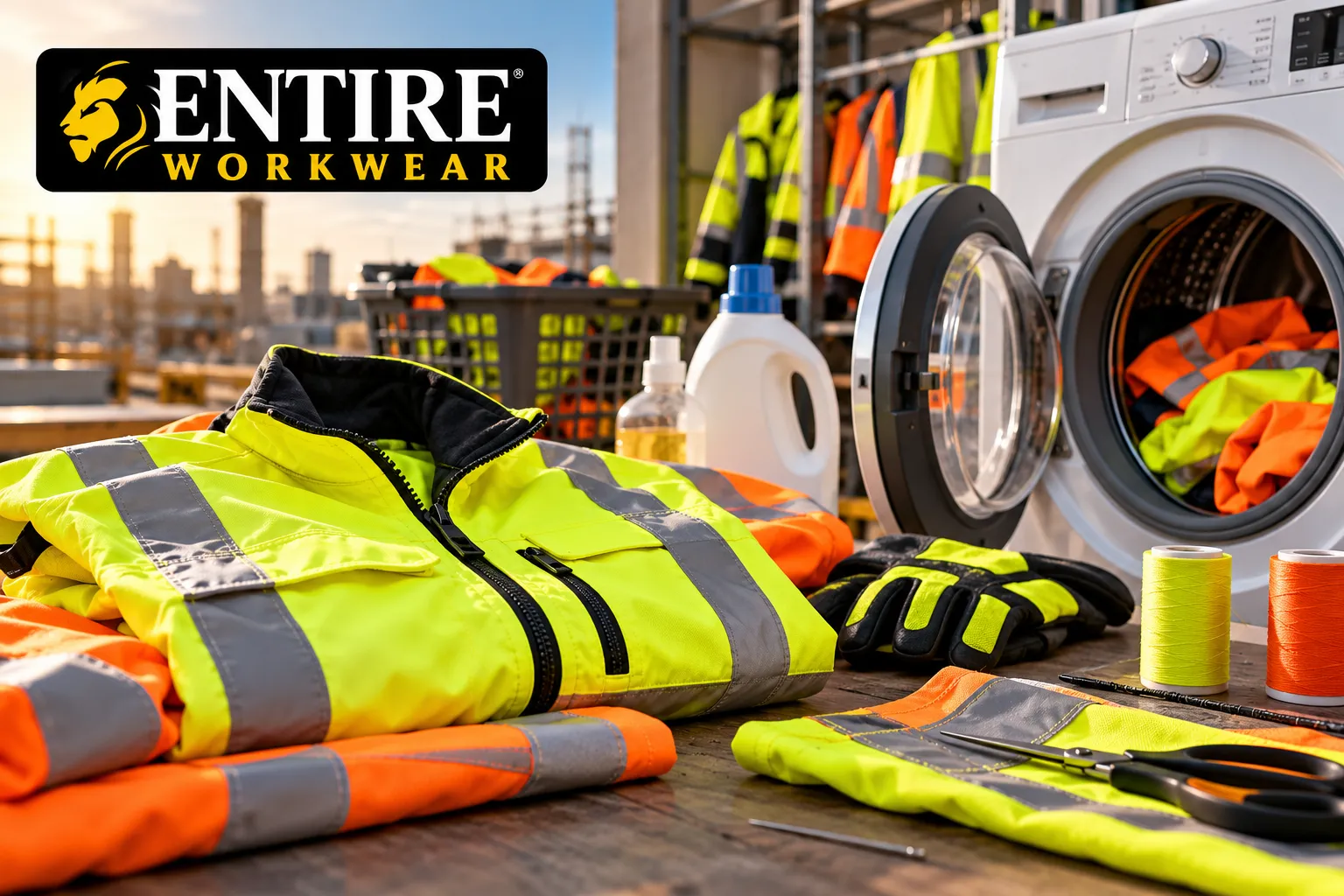
Follow the care label, which may list a maximum number of wash cycles. In general, skip bleach and fabric softener, avoid high heat, and dry garments inside out in the shade so the sun isn’t fading them on the line as well as on the job.
Small repairs to non-critical seams are usually fine. Never stitch over reflective tape or patch fluoro panels with ordinary fabric, because that changes how the garment performs. If a repair can’t restore it properly, replace it.
Buying Replacement High Visibility Workwear
Don’t just rebuy the same style out of habit. Check the class, choose lightweight or vented fabrics for summer and warmer layers for winter, confirm the tape layout your site specifies, and make sure it fits with room to move. For teams, sticking to the same styles makes future replacements simple.
Entire Workwear, a family-owned store in Ellenbrook, has supplied Perth workers since 2016. Its high visibility workwear range covers shirts, polos, tees, jackets, hoodies, vests, overalls and taped pants from brands including Syzmik and Bisley, with Australia-wide delivery or in-store shopping.
Frequently Asked Questions
How often should hi-vis clothing be replaced?
There’s no set timeframe that suits every garment. Replace hi-vis when the fluorescent colour has faded, the reflective tape is damaged, it’s torn or permanently stained, or it no longer meets your site’s class. Daily outdoor wear in strong sun wears it out much faster than occasional indoor use.
How can I test if reflective tape still works?
In a dim room, take a photo of the garment with your phone’s flash on. Working reflective tape lights up brightly and evenly in the photo. If it looks grey, patchy or cracked, the tape has lost performance and the garment should be replaced for night or low-light work.
Can faded hi-vis clothing still be worn at work?
Not for safety purposes. If the fluorescent fabric looks noticeably dull next to a new garment of the same style, its visibility is reduced and it should be replaced. A faded shirt can be kept for jobs where hi-vis isn’t required.
How should I wash hi-vis workwear?
Follow the care label first. Most hi-vis should be washed without bleach or fabric softener, kept away from high heat, and dried inside out in the shade. Some labels list a maximum number of wash cycles, so replace the garment once it reaches that limit.
Does my employer have to pay for hi-vis clothing?
If hi-vis is needed to manage a risk at work, it counts as personal protective equipment. Under the model WHS laws, which WA’s laws are based on, the business must provide PPE and workers don’t pay for it. An employer can supply it directly or pay an allowance.
What is the difference between Class D, Class N and Class D/N hi-vis?
Under AS/NZS 4602.1, Class D garments use fluorescent fabric for daytime visibility, Class N garments use retroreflective tape for night work, and Class D/N garments combine both. Class D/N is the safest choice if you work across day and night shifts.
Final Word
Hi-vis only protects you while it can still be seen. Check the colour, test the tape, look for damage and make sure the class still matches your work. When any of those fail, replace the garment rather than hoping it holds out for one more shift.
